

Early Signs of Heart Disease You Should Not Ignore
Learn the early signs of heart disease, common warning symptoms, risk factors, and when to seek medical care for better heart health and timely diagnosis.
By Aadicura | 20 October 2026Heart disease does not always begin with sudden chest pain or a medical emergency. Sometimes, the warning signs are subtle, such as feeling unusually tired, becoming breathless while climbing stairs, or experiencing occasional chest discomfort.
These symptoms are often mistaken for stress, ageing, or everyday exhaustion. However, recognising the early signs of heart disease can help identify potential problems before they develop into serious complications.
Understanding what your body may be telling you and knowing when to seek medical attention can make a significant difference to your long-term heart health.
What Are the Early Signs of Heart Disease?
Heart disease refers to several conditions affecting the heart’s structure, blood vessels, rhythm, or ability to pump blood efficiently.
When people ask, what are the early signs of heart disease, the answer depends on the underlying condition. Some individuals develop noticeable symptoms, while others may experience little or no discomfort.
Common early symptoms of heart disease include chest pressure, unexplained fatigue, breathlessness during physical activity, and irregular heartbeats.
These symptoms may develop gradually or occur intermittently, making them easy to overlook. Understanding these changes is particularly important for individuals with diabetes, high blood pressure, high cholesterol, or a family history of heart disease.
Common Symptoms of Heart Disease
The symptoms of heart disease vary depending on the condition and its severity. However, certain warning signs deserve attention.
1. Chest Pain or Discomfort
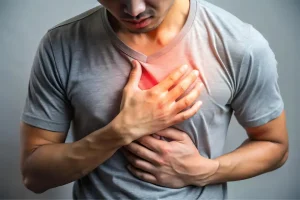
Chest discomfort is among the most recognised signs and symptoms of coronary heart disease. It may feel like pressure, squeezing, heaviness, or tightness in the chest.
The discomfort may occur during physical exertion or emotional stress and improve with rest. However, new, persistent, or worsening chest pain requires urgent medical evaluation.
2. Shortness of Breath
Feeling breathless after minimal physical activity or while resting can indicate an underlying heart condition. It may occur when the heart struggles to pump blood effectively or when blood flow to the heart muscle is reduced.
3. Unusual Fatigue
Persistent tiredness that cannot be explained by physical activity or insufficient sleep may sometimes indicate a heart problem, particularly when accompanied by breathlessness or reduced exercise tolerance.
4. Irregular Heartbeat
Palpitations may feel like a racing, fluttering, or skipping heartbeat. Although not all palpitations indicate heart disease, frequent episodes accompanied by dizziness, chest discomfort, or breathlessness require medical attention.
5. Swelling in the Legs or Ankles
Swelling in the feet, ankles, or legs can sometimes occur when the heart is unable to pump blood efficiently, leading to fluid accumulation.
The early signs of heart disease in males may include exertional chest discomfort, breathlessness, and reduced physical stamina. However, these symptoms are not exclusive to men, and presentations vary between individuals.
Less Common Signs of Heart Problems You Should Know
Not every heart condition presents with obvious chest pain. Some warning signs may resemble digestive problems, muscular discomfort, or general weakness.
Less commonly recognised cardiovascular signs include:
- Pain in the jaw, neck, back, or arms: Discomfort may spread beyond the chest, particularly during a heart attack.
- Nausea or indigestion-like discomfort: Some people experience upper abdominal discomfort, nausea, or vomiting.
- Cold sweats: Sudden unexplained sweating, particularly with other symptoms, may indicate a cardiac emergency.
- Dizziness or lightheadedness: These may sometimes occur with abnormal heart rhythms or reduced blood flow.
- Unexplained weakness: A sudden or unusual decline in energy can occasionally accompany a cardiac problem.
The symptoms of heart disease in women may include chest discomfort alongside breathlessness, nausea, back or jaw pain, and unusual fatigue. Although chest discomfort remains a common heart attack symptom in both women and men, women may experience additional symptoms that are less readily recognised as heart-related.
Recognising these early signs and symptoms of heart disease can help prevent potentially serious warning signs from being dismissed.
Can Heart Disease Cause Symptoms Without Chest Pain?
Yes. Some people develop heart-related problems without experiencing noticeable chest pain.
Coronary heart disease can sometimes remain silent until a serious complication develops. Certain individuals, particularly those with diabetes, may experience less typical symptoms or have episodes of reduced blood flow to the heart without obvious discomfort.
This often raises the question: how do you know you have heart disease if chest pain is absent?
Changes such as unexplained breathlessness, persistent fatigue, reduced exercise tolerance, or recurrent palpitations may warrant assessment. However, symptoms alone cannot confirm a diagnosis.
It is also important to understand what is a heart attack. A heart attack occurs when blood flow supplying the heart muscle becomes severely reduced or blocked, potentially damaging the heart muscle.
A heart attack can sometimes occur without the expected crushing chest pain. Recognising other warning signs and seeking immediate emergency care is essential.
Why Early Detection of Heart Disease Matters
Heart disease may develop gradually, sometimes without noticeable symptoms. Identifying risk factors and investigating concerning changes can help prevent complications.
Early detection allows doctors to assess cardiovascular health, identify underlying conditions, and recommend appropriate preventive measures or treatment.
Depending on individual risk factors and symptoms, evaluation may include:
- Blood pressure and cholesterol assessments
- Blood tests for diabetes and other relevant conditions
- Electrocardiogram (ECG) to assess heart rhythm
- Echocardiography to evaluate heart structure and function
- Stress testing or other cardiac imaging when clinically indicated
Knowing when to see a cardiologist is equally important. Consult a specialist if you experience recurring chest discomfort, unexplained breathlessness, frequent palpitations, or a noticeable decline in exercise capacity.
Individuals with multiple cardiovascular risk factors may also benefit from a preventive heart health assessment.
Important: Persistent or recurring chest discomfort accompanied by breathlessness, sweating, nausea, or faintness may indicate a heart attack. Seek emergency medical assistance immediately rather than waiting for a routine appointment.
Get Comprehensive Heart Care at Aadicura Superspeciality Hospital
Your heart works continuously to support every function of your body. Giving its health timely attention can help protect your well-being.
At Aadicura Superspeciality Hospital, Vadodara, the Department of Cardiology offers comprehensive diagnostic and treatment services for various cardiovascular conditions.
With experienced cardiologists, advanced cardiac catheterisation facilities, non-invasive diagnostic services, and interventional cardiac care, the hospital focuses on accurate evaluation and personalised treatment.
From preventive cardiac assessments to the management of complex heart conditions, Aadicura’s approach emphasises evidence-based, ethical, and patient-centred care.
Don’t overlook the warning signs your heart may be giving you. Consult the cardiology specialists at Aadicura Superspeciality Hospital for timely evaluation and appropriate care.
FAQs
Can shortness of breath be an early sign of heart disease?
Yes. Breathlessness during mild activity or at rest may indicate certain heart conditions. However, it can also result from respiratory problems and other medical conditions.
Can heart disease occur without chest pain?
Yes. Some heart conditions develop without noticeable chest pain. Symptoms may include fatigue, breathlessness, palpitations, or other less typical forms of discomfort.
What type of chest pain may indicate a heart problem?
Chest discomfort associated with heart disease may feel like pressure, tightness, heaviness, or squeezing. Pain may spread to the arms, neck, jaw, or back. Sudden or persistent chest discomfort requires emergency assessment.
When should you see a cardiologist for heart symptoms?
Consult a cardiologist for recurring chest discomfort, unexplained breathlessness, frequent palpitations, or worsening exercise tolerance. Suspected heart attack symptoms require immediate emergency care.
How can heart disease be detected early?
Doctors assess medical history, symptoms, risk factors, blood pressure, and cholesterol levels. Additional investigations such as ECG, echocardiography, or stress testing may be recommended when appropriate.
What are the risk factors for heart disease?
Common risk factors include high blood pressure, high cholesterol, diabetes, smoking, obesity, physical inactivity, increasing age, and family history of premature heart disease.
Share



We Believe in Affordable Healthcare for All
 Request an Appointment