

A Complete Guide to Preventing Vascular Disease
Learn how to prevent vascular disease with healthy lifestyle habits, risk factor management, early warning signs, and expert prevention tips to protect your vascular health.
By Aadicura | 13 November 2026Healthy blood circulation is essential for keeping every part of the body functioning properly. From supplying oxygen to vital organs to delivering nutrients to tissues, blood vessels play an important role in maintaining overall health. However, when these vessels become narrowed, blocked, or damaged, they can lead to vascular disease.
The good news is that many vascular conditions can be prevented or managed through healthy lifestyle choices, regular health monitoring, and timely medical attention.
Understanding the causes, recognising early symptoms, and adopting preventive measures can help protect your vascular health and reduce the risk of serious complications.
Understanding Vascular Disease and Its Impact on Health
Vascular disease refers to conditions affecting the blood vessels, including arteries and veins, that carry blood throughout the body.
For anyone wondering what is vascular problem, it generally refers to an abnormality that disrupts normal blood flow or affects the structure and functioning of blood vessels.
Common types of vascular disease include:
- Peripheral Artery Disease (PAD): Narrowing of arteries that reduces blood supply, particularly to the legs.
- Deep Vein Thrombosis (DVT): Formation of blood clots in deep veins, usually in the legs.
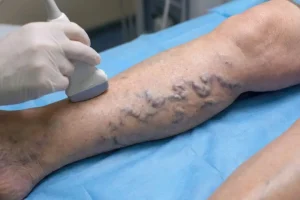
- Varicose Veins: Enlarged, twisted veins caused by improperly functioning vein valves.
- Aneurysms: Abnormal enlargement or bulging of weakened artery walls.
The causes of vascular disease vary depending on the condition. Common contributors include plaque buildup, blood clotting disorders, damaged vein valves, and weakened blood vessel walls.
Certain risk factors for vascular disease, including smoking, diabetes, high blood pressure, high cholesterol, increasing age, and family history, can increase the likelihood of developing vascular complications.
Signs and Symptoms of Vascular Disease
The symptoms of vascular disease depend on the blood vessels affected and the severity of the condition. Some individuals may experience noticeable discomfort, while others may have no symptoms during the early stages.
Common warning signs include:
- Leg pain or cramping while walking that improves with rest
- Swelling in one or both legs
- Numbness, weakness or tingling in the limbs
- Cold feet or changes in skin colour
- Slow-healing wounds, particularly on the feet
- Enlarged, twisted or visibly swollen veins
Sudden leg swelling and tenderness may indicate DVT. Sudden severe limb pain, accompanied by coldness or weakness, requires emergency medical assessment. Similarly, sudden breathlessness or chest pain may indicate a serious complication and requires immediate medical attention.
Recognising these symptoms early can help prevent further complications.
How Vascular Disease Affects Blood Circulation
Healthy arteries transport oxygen-rich blood from the heart to different parts of the body, while veins return blood towards the heart.
When arteries become narrowed due to fatty deposits, blood flow decreases, limiting the oxygen and nutrients reaching tissues. This may cause pain during physical activity, delayed wound healing, and, in severe cases, tissue damage.
Venous conditions affect circulation differently. Damaged vein valves can cause blood to accumulate in the legs, resulting in swelling, discomfort, and skin changes. Blood clots may obstruct venous blood flow and potentially cause serious complications.
Understanding how to improve blood circulation begins with identifying its underlying cause and taking appropriate preventive measures.
How to Prevent Vascular Disease
Preventing vascular disease involves maintaining healthy blood vessels and controlling conditions that increase vascular risk. Here are some practical vascular health tips to follow.
1. Stay Physically Active
Regular exercise supports cardiovascular fitness and improves circulation. Walking, cycling and swimming are beneficial activities.
The World Health Organization recommends at least 150–300 minutes of moderate-intensity aerobic activity per week for adults.
2. Follow a Heart-Healthy Diet
Include fruits, vegetables, whole grains, pulses, nuts and other fibre-rich foods in your daily meals.
Limit excessive salt, saturated fats and highly processed foods to help manage blood pressure and cholesterol.
3. Quit Smoking
Smoking damages blood vessels and significantly increases the risk of peripheral artery disease.
Quitting smoking is one of the most important steps towards vascular disease prevention.
4. Manage Existing Health Conditions
Diabetes, hypertension, and high cholesterol are major risk factors for cardiovascular disease.
Regularly monitor blood sugar, blood pressure, and cholesterol levels. Follow prescribed treatment and attend recommended medical appointments.
5. Maintain a Healthy Weight
Excess body weight can contribute to diabetes, high blood pressure, and other vascular risk factors.
Maintaining a healthy weight through balanced nutrition and regular physical activity supports long-term vascular health.
6. Avoid Prolonged Inactivity
Sitting for extended periods can affect venous blood flow. Take regular movement breaks, stretch your legs, and walk whenever possible.
These habits support healthy circulation, although they cannot prevent every vascular condition.
Benefits of Early Vascular Disease Screening
Some vascular diseases develop gradually without obvious symptoms. Early assessment can help identify circulation problems before serious complications develop.
The benefits of timely vascular evaluation include:
- Early identification: Detecting narrowed arteries or other vascular abnormalities.
- Risk assessment: Identifying factors that may contribute to future complications.
- Timely treatment: Starting appropriate medical or lifestyle interventions.
- Prevention of complications: Reducing the risk of advanced tissue damage and other serious outcomes.
- Better disease management: Monitoring existing conditions and treatment effectiveness.
Depending on symptoms and risk factors, doctors may recommend tests such as the ankle-brachial index (ABI), Doppler ultrasound or CT angiography.
Screening is particularly relevant for selected higher-risk individuals. However, routine vascular screening is not necessary for everyone, and testing should be guided by medical assessment.
Get Expert Vascular Care at Aadicura Superspeciality Hospital
Maintaining vascular health requires awareness, preventive care and access to appropriate medical expertise.
At Aadicura Superspeciality Hospital, the Department of Vascular and Endovascular Surgery provides specialised evaluation and treatment for various arterial and venous conditions, including peripheral artery disease, varicose veins, deep vein thrombosis and diabetic foot complications.
The hospital offers diagnostic facilities such as Doppler ultrasound, ankle-brachial pressure measurements and CT angiography, alongside medical, minimally invasive and surgical treatment options.
Take a proactive step towards healthier blood circulation. Book a consultation with the vascular specialists at Aadicura Superspeciality Hospital, Vadodara, for personalised assessment and guidance.
FAQs
How can vascular disease be prevented?
Regular exercise, balanced nutrition, avoiding tobacco and managing diabetes, blood pressure and cholesterol can reduce the risk of several vascular conditions.
What are the early warning signs of vascular disease?
Common signs include leg pain while walking, swelling, numbness, cold feet, skin discolouration and slow-healing wounds.
Who is at higher risk of developing vascular disease?
Older adults, smokers and individuals with diabetes, hypertension, high cholesterol or a family history of vascular disease may face increased risk.
Can exercise improve vascular health?
Yes. Regular physical activity supports circulation, cardiovascular fitness and weight management. People with diagnosed vascular conditions should follow medically appropriate exercise recommendations.
When should I consult a vascular specialist?
Consult a vascular specialist if you experience recurring leg pain, persistent swelling, non-healing wounds or noticeable changes in your limbs. Sudden severe symptoms require emergency care.
Where can I seek vascular care in Vadodara?
Aadicura Superspeciality Hospital, Vadodara, offers vascular and endovascular consultations, diagnostic evaluation and treatment for various vascular conditions.
Share



We Believe in Affordable Healthcare for All
 Request an Appointment