


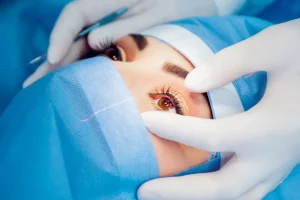
Common Signs You May Need Eyelid Surgery
Learn the common signs you may need eyelid surgery, including drooping eyelids, puffiness, and vision problems. Consult specialists at Aadicura Hospital.
By Aadicura | 16 November 2026Our eyelids play an important role in protecting our eyes, maintaining moisture, and supporting clear vision. However, ageing, genetics, and certain medical conditions can cause the eyelids to droop, develop excess skin, or appear swollen. While these changes may initially seem cosmetic, they can sometimes interfere with vision and everyday activities.
Puffy Eyelids, loose skin, and persistent drooping are common concerns that may require medical evaluation. In certain cases, Eyelid Surgery can help improve eyelid function and appearance.
Understanding the signs and available treatment options can help you determine when it is time to consult an eye specialist.
What Is Eyelid Surgery and When Is It Needed?
Eyelid Surgery refers to surgical procedures performed to correct excess skin, drooping eyelids, or structural problems affecting the eyelids. Blepharoplasty is a common type of eyelid surgery that involves removing or repositioning excess skin, fat, or muscle to improve eyelid appearance or function.
Eyelid surgery may be recommended when:
- Drooping Eyelids obstruct vision or make everyday activities difficult.
- Sagging Eyelids cause excess skin to fold over the eyelashes and restrict the field of vision.
- Puffy Eyelids or persistent under-eye bags result from excess or displaced fat.
- Abnormal eyelid positioning causes discomfort, irritation, or difficulty closing the eyes.
- Excess eyelid skin or under-eye bags create cosmetic concerns that an individual wishes to address.
The main types of eyelid surgery include:
- Upper Eyelid Surgery: Removes excess skin and, when necessary, fat from the upper eyelids to improve appearance or reduce visual obstruction.
- Lower Eyelid Surgery: Addresses under-eye bags, loose skin, and certain lower eyelid problems by removing or repositioning tissue.
- Ptosis Surgery: Corrects drooping caused by weakness or dysfunction of the muscles responsible for lifting the upper eyelid.
Sometimes referred to as an eye lift operation, the procedure is selected based on the underlying condition, its severity, and the patient’s individual needs. A specialist can determine whether surgical treatment is appropriate after a detailed eyelid examination.
Common Signs You May Need Eyelid Surgery
Not every eyelid concern requires surgery. However, certain persistent symptoms may indicate the need for specialised evaluation.
1. Drooping Upper Eyelids That Affect Vision
One of the most significant warning signs is drooping upper eyelids that partially obstruct your field of vision.
This condition, known as ptosis, occurs when the upper eyelid sits lower than normal. In severe cases, it may cover part of the pupil and affect normal vision.
People experiencing this problem may find it difficult to read, drive, or see objects above eye level.
A specialist can determine whether surgical Drooping Eyelids Treatment is appropriate.
2. Excess Skin Around the Upper Eyelids
With age, the skin gradually loses elasticity, causing loose folds to develop around the eyes.
Sagging Eyelids may make the eyes appear smaller, heavier, or constantly tired. When excess skin extends over the eyelashes, it can also restrict peripheral vision.
In suitable cases, upper blepharoplasty may remove this excess skin and improve eyelid contour.
3. Persistent Puffiness or Bags Under the Eyes
Under-eye puffiness is common and may result from ageing, fluid retention, allergies, or changes in the fat surrounding the eyes.
However, persistent under-eye bags caused by protruding fat or loose skin may be evaluated for lower blepharoplasty.
It is important to understand that temporary swelling does not generally require surgery. Identifying the cause of puffiness helps determine the most appropriate treatment.
4. Difficulty Keeping Your Eyes Fully Open
Some individuals unconsciously raise their eyebrows or tilt their heads backwards to compensate for drooping eyelids.
These adjustments may indicate that the eyelids are interfering with normal vision.
The American Academy of Ophthalmology identifies eyebrow raising and head tilting as possible signs of ptosis.
If these behaviours become frequent, an ophthalmic evaluation may help identify the underlying problem.
5. Uneven or Asymmetrical Eyelids
When one eyelid droops noticeably lower than the other, it can create facial asymmetry.
Although minor differences between eyelids are common, significant or progressive asymmetry may indicate ptosis or another medical condition.
A specialist can assess whether treatment is necessary and whether surgery could improve eyelid positioning.
6. Repeated Irritation Due to Eyelid Position
Abnormal eyelid positioning can sometimes cause excessive watering, dryness, redness or irritation.
Conditions such as entropion, where the eyelid turns inward, and ectropion, where it turns outward, may require corrective eyelid procedures.
These conditions are distinct from ordinary cosmetic concerns and require appropriate clinical assessment.
When Should You Consult a Doctor About Drooping Eyelids?
Consult an ophthalmologist or oculoplastic specialist if your eyelids are affecting your vision, causing persistent discomfort, or making everyday activities difficult.
Medical evaluation is particularly important if you experience:
- Increasing eyelid drooping over time
- Difficulty seeing because of excess upper eyelid skin
- Persistent under-eye swelling or eyelid irritation
- Changes in eyelid symmetry or positioning
- Difficulty opening or fully closing your eyes
Sudden eyelid drooping, particularly when accompanied by double vision, severe headache, unequal pupils, or weakness, requires urgent medical assessment because it may indicate a neurological condition.
The potential Eyelid Surgery Benefits depend on the diagnosis. These may include improved peripheral vision, correction of eyelid positioning, and a more balanced appearance.
However, surgery is not necessary for every patient, and the decision should follow a thorough examination.
What to Expect During an Eyelid Surgery Consultation
An eyelid surgery consultation helps determine the cause of your symptoms and whether a surgical procedure is suitable.
Your specialist will generally begin by reviewing your medical history, existing eye conditions, medications, and previous surgeries.
A detailed examination may include:
1. Assessment of Eyelid Position
The specialist examines the eyelid height, skin elasticity, muscle function, and overall symmetry.
2. Eye and Vision Examination
Visual acuity, eye surface health, and peripheral vision may be assessed, particularly when drooping eyelids interfere with sight.
3. Discussion of Treatment Options
Depending on the diagnosis, the doctor may recommend blepharoplasty, ptosis correction, another eyelid procedure or non-surgical management.
4. Explanation of Risks and Recovery
Your specialist will discuss expected outcomes, healing time and possible complications, including swelling, bruising, dry eyes, infection and changes in eyelid position.
Teams recommend discussing the risks, limitations, and expected results before proceeding with blepharoplasty.
A consultation also helps establish realistic expectations and determine whether your overall health makes surgery appropriate.
Why Choose Aadicura Superspeciality Hospital for Eyelid Surgery Consultation
At Aadicura Superspeciality Hospital, Vadodara, the Department of Ophthalmology and Ophthalmic Plastic Surgery provides specialised care for functional and cosmetic eyelid conditions.
The department offers assessment and treatment for drooping eyelids, eyelid malposition, eyelid swelling, and other oculoplastic disorders.
Dr Surbhi Joshi Kapadia, Ophthalmologist and Ophthalmic Plastic Surgeon, specialises in oculoplasty, including ptosis correction, blepharoplasty, and reconstructive eyelid procedures.
With specialised clinical evaluation and personalised treatment planning, patients can receive guidance based on their individual concerns and eye health.
If drooping eyelids, persistent puffiness, or excess eyelid skin are affecting your vision or comfort, book a consultation with the ophthalmic plastic surgery specialists at Aadicura Superspeciality Hospital, Vadodara.
FAQs
Can drooping eyelids affect vision?
Yes. Severe drooping can obstruct peripheral or central vision, making activities such as reading and driving more difficult.
What is the difference between eyelid surgery and blepharoplasty?
Eyelid surgery is a broader term covering various corrective procedures. Blepharoplasty specifically involves removing or repositioning excess eyelid tissue.
Is eyelid surgery only performed for cosmetic reasons?
No. Eyelid surgery may also address functional problems, including vision obstruction, ptosis, and abnormal eyelid positioning.
How do I know if I am a suitable candidate for eyelid surgery?
Suitability depends on your eyelid condition, eye health, overall medical history, and treatment expectations. An ophthalmic examination can help determine the appropriate approach.
Where can I consult a specialist for eyelid surgery in Vadodara?
You can consult the Department of Ophthalmology and Ophthalmic Plastic Surgery at Aadicura Superspeciality Hospital, Vadodara, for specialised eyelid evaluation and treatment guidance.
Share



We Believe in Affordable Healthcare for All
 Request an Appointment