


How Smoking Affects Your Breathing and Lung Health
Learn how smoking affects breathing and lung health, including common respiratory problems, lung damage, warning signs and ways to protect your lungs.
By Aadicura | 21 October 2026Breathing is something we rarely think about until it becomes difficult. A short walk that leaves you breathless, a cough that refuses to go away, or a feeling of tightness in the chest may seem like minor concerns. However, for someone who smokes, these changes could be early indications of declining lung health.
Smoking affects more than just your ability to breathe comfortably. It can gradually damage the airways, reduce lung function, and increase the risk of serious respiratory diseases.
Understanding how smoking affects your lungs and recognising warning signs early can help you take meaningful steps towards protecting your respiratory health.
How Does Smoking Affect Your Lungs?
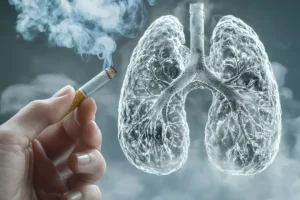
Every time you inhale cigarette smoke, harmful chemicals enter your respiratory system. Tobacco smoke contains thousands of chemicals, including substances that irritate lung tissues and damage cells.
But does smoking affect breathing immediately, or does the damage develop over time?
Both are possible. Cigarette smoke can irritate the airways from the beginning, while prolonged exposure can cause inflammation, excessive mucus production, and permanent changes to lung tissue.
Smoking also damages the tiny hair-like structures called cilia that help clear mucus and harmful particles from the airways. When these structures become less effective, the lungs become more vulnerable to infections and irritation.
Over time, lung damage from smoking can make breathing increasingly difficult, particularly during physical activity.
How Smoking Affects Breathing and the Respiratory System
To understand how does smoking affect breathing, it helps to know how healthy lungs function.
When you breathe in, oxygen travels through the airways into tiny air sacs called alveoli, where it enters the bloodstream. Smoking can interfere with this process in several ways.
The major effects of cigarette smoking on lung function include:
- Airway inflammation: Smoke irritates the airways, causing swelling and narrowing that restrict airflow.
- Increased mucus production: Excess mucus can block the airways and contribute to persistent coughing.
- Damage to air sacs: Smoking can destroy alveolar walls, reducing the lungs’ ability to exchange oxygen and carbon dioxide efficiently.
- Reduced lung function: Progressive airway and tissue damage can make everyday activities more physically demanding.
- Increased susceptibility to infections: Smoking weakens the lungs’ natural defence mechanisms.
These changes explain why smoking and breathing problems frequently occur together, even before a serious respiratory condition is diagnosed.
Common Lung and Breathing Problems Caused by Smoking
Long-term smoking can contribute to several respiratory conditions, including:
1.Chronic Obstructive Pulmonary Disease (COPD)
COPD is a progressive condition that restricts airflow and makes breathing difficult. Smoking is its leading cause, although people who do not smoke can also develop COPD.
2. Chronic Bronchitis
Persistent inflammation of the bronchial tubes can cause frequent coughing, excessive mucus production, and chest discomfort.
3. Emphysema
Emphysema damages the tiny air sacs responsible for oxygen exchange. This damage can be permanent and may cause increasing breathlessness.
4. Respiratory Infections
Smoking increases the risk of respiratory infections, including pneumonia, by weakening the lungs’ ability to clear harmful particles and microorganisms.
5. Asthma Exacerbations
For individuals with asthma, cigarette smoke can trigger symptoms and make existing breathing difficulties worse.
According to the CDC, smoking is responsible for approximately 8 in 10 COPD-related deaths in the United States.
Warning Signs of Smoking-Related Lung Problems
Smoking-related respiratory conditions often develop gradually. Recognising the following symptoms can help identify potential problems:
- Persistent coughing, particularly with mucus
- Shortness of breath during routine activities
- Wheezing or noisy breathing
- Frequent chest tightness
- Repeated respiratory infections
- Reduced stamina or increasing fatigue
- Coughing up blood
A persistent cough should not automatically be dismissed as a smoker’s cough.
If you experience worsening breathlessness, recurring respiratory symptoms, or unexplained changes in breathing, seek medical evaluation.
Coughing up blood requires prompt medical assessment. Sudden severe breathlessness or difficulty breathing requires immediate emergency care.
How Smoking Increases the Risk of Lung Cancer
Smoking is the leading preventable cause of lung cancer. The harmful chemicals present in tobacco smoke can damage the DNA of lung cells, potentially causing abnormal cells to multiply uncontrollably.
The effect of smoking on lung cancer risk is closely associated with the duration and intensity of tobacco exposure.
According to the CDC, people who smoke cigarettes are approximately 15 to 30 times more likely to develop lung cancer or die from it than people who do not smoke.
This relative risk of smoking and lung cancer highlights why smoking cessation is so important. Even occasional smoking increases cancer risk, while continued exposure increases it further.
Importantly, quitting smoking reduces lung cancer risk over time, although it may not return to the level of someone who has never smoked.
How Quitting Smoking Can Benefit Lung Health
One of the most encouraging facts about lung health is that quitting smoking provides benefits at any age.
People often ask how to reverse lung damage from smoking. While some changes, such as destroyed air sacs in emphysema, cannot be reversed, stopping smoking can reduce inflammation, improve respiratory symptoms, and slow further lung function decline.
If you are wondering how to reduce effect of smoking on lungs, the most important step is to stop tobacco use completely.
Other supportive measures include:
- Avoiding second-hand smoke and other respiratory irritants
- Staying physically active according to your health condition
- Following a balanced diet and maintaining adequate hydration
- Staying up to date with recommended vaccinations
- Seeking professional smoking cessation counselling and medication when appropriate
Understanding how to prevent lung damage from smoking begins with avoiding tobacco exposure rather than relying on remedies or supplements to reverse its effects.
Another important question is how to reduce risk of lung cancer after quitting smoking. Remaining tobacco-free, avoiding second-hand smoke, and discussing lung cancer screening with a doctor if you have a substantial smoking history can help.
According to the US National Cancer Institute, people who quit smoking reduce their lung cancer risk by approximately 30% to 50% after 10 years compared with those who continue smoking.
When Should You Consult a Lung Specialist?
A persistent cough, recurring wheezing, unexplained breathlessness, or reduced exercise tolerance may indicate an underlying respiratory condition.
Consulting a lung specialist can help identify the cause through clinical evaluation and appropriate investigations.
Depending on your symptoms, a pulmonologist may recommend spirometry, pulmonary function tests, chest imaging, or other investigations.
If you have been searching for a lung specialist near me, consider consulting a qualified pulmonologist, particularly if you smoke, previously smoked, or have recurring respiratory symptoms.
Early evaluation can help identify conditions such as COPD and support timely management.
Get Comprehensive Respiratory Care at Aadicura Superspeciality Hospital
Your lungs support every breath you take. Giving them timely medical attention can help protect your comfort, mobility, and overall well-being.
At Aadicura Superspeciality Hospital, Vadodara, the Department of Pulmonology & Sleep Medicine provides specialised care for respiratory conditions and breathing disorders.
With experienced pulmonologists and diagnostic services, including pulmonary function testing and bronchoscopy, the hospital supports the assessment and management of various lung conditions.
Whether you are experiencing persistent coughing, breathing difficulties, or concerns related to smoking, seeking specialist care can help you better understand your respiratory health.
Take the first step towards healthier breathing. Consult the respiratory specialists at Aadicura Superspeciality Hospital for timely diagnosis and personalised care.
FAQs
What are the effects of smoking on the lungs?
Smoking can reduce lung function, damage air sacs, impair natural lung defences, and increase the risk of COPD, respiratory infections, and lung cancer.
Can smoking cause shortness of breath?
Yes. Smoking can narrow the airways and damage lung tissue, making physical activities more demanding and causing breathlessness.
Can quitting smoking improve lung health?
Yes. Quitting reduces respiratory symptoms, lowers infection risk, and slows lung function decline. However, some structural damage may be irreversible.
What are the warning signs of smoking-related lung problems?
Persistent coughing, wheezing, chest tightness, recurring infections, and unexplained breathlessness are common warning signs requiring medical assessment.
Does smoking increase the risk of lung cancer?
Yes. Smoking is the leading risk factor for lung cancer. The risk generally increases with the number of cigarettes smoked and the duration of smoking.
When should I see a lung specialist for breathing problems?
Consult a pulmonologist if you experience persistent coughing, recurring wheezing, worsening breathlessness, or unexplained respiratory symptoms. Severe breathing difficulties require emergency care.
Share



We Believe in Affordable Healthcare for All
 Request an Appointment