




Kidney Stone Symptoms, Causes & When to See a Nephrologist in Vadodara
Learn kidney stone symptoms, causes, and treatment options. Know when to consult a nephrologist in Vadodara for expert kidney stone care.
By Aadicura | 09 March 2026Kidney Stones Are Common but Painful
Kidney stones are one of the most common urinary tract problems affecting people today. While some stones remain small and pass naturally, others can cause severe pain, urinary blockage, infection, and even kidney damage if ignored. Many people overlook early symptoms, assuming they are minor digestive or urinary issues. However, timely diagnosis and treatment from an experienced nephrologist in vadodara or nearby, can prevent complications and protect long-term kidney health. Understanding kidney stone symptoms, causes, and treatment options is essential for early care and prevention.
What Are Kidney Stones?
Kidney stones are hard deposits formed from minerals and salts inside the kidneys. They develop when urine becomes concentrated, allowing substances to crystallize and stick together. Stones may range in size from tiny sand-like particles to larger stones that block urine flow. Small stones may pass without much discomfort, but larger stones often cause intense pain and require medical treatment from a kidney specialist in vadodara or nearby. If untreated, kidney stones can lead to infections, urinary obstruction, and kidney function problems.
Common Symptoms of Kidney Stones
Recognizing the symptoms of kidney stones early helps in timely diagnosis and treatment. The most common symptom is severe pain that usually begins in the lower back or side and may radiate toward the abdomen or groin. This pain often occurs in waves as the stone moves through the urinary tract.
Other common symptoms include burning sensation during urination, frequent urge to urinate, cloudy or foul-smelling urine, nausea, vomiting, and blood in urine.The intensity of symptoms usually depends on the size and location of the stone.
Early vs Severe Kidney Stone Symptoms
Early Warning Signs
The early signs of kidney stones are often mild and easy to ignore. These include slight discomfort in the lower back, mild abdominal pain, burning during urination, increased frequency of urination, and subtle change in urine color. Many people wonder what are the first signs of kidney stones, and in most cases, it begins with mild flank discomfort and urinary irritation that gradually worsens over time.
Severe Symptoms That Need Immediate Care
When kidney stones grow larger or block the urinary tract, symptoms become severe and require urgent medical attention. These include intense, unbearable pain in the back or abdomen, persistent nausea and vomiting, fever with chills, difficulty passing urine, and visible blood in urine. Such symptoms may indicate infection or urinary blockage and require immediate consultation with a nephrologist for kidney stones to prevent kidney damage.
What Causes Kidney Stones?
Kidney stones can develop due to several lifestyle and medical factors. One of the most common causes is dehydration, which results in concentrated urine and mineral crystal formation. Diet also plays an important role; high salt intake, excess protein consumption, and foods rich in oxalate such as spinach, nuts, and chocolate can increase stone risk.
Other causes include obesity, sedentary lifestyle, family history of kidney stones, certain medical conditions like gout, and recurrent urinary tract infections.
Who Is at Higher Risk of Kidney Stones?
Some individuals are more prone to kidney stones than others. People who drink less water regularly, consume high-salt or high-protein diets, and those with obesity or diabetes are at higher risk.
Individuals with previous kidney stones are more likely to develop them again, making regular checkups essential. Consulting a kidney stone specialist in vadodara helps in early detection, prevention, and long-term kidney care.
How Kidney Stones Are Diagnosed
Doctors usually begin with urine tests to detect infection, blood, or excess minerals. Blood tests are performed to evaluate kidney function and mineral levels.
Imaging techniques such as ultrasound are commonly used for initial detection, while CT scans provide precise information about the size and location of the stone. In certain cases, X-rays may also be recommended. Proper diagnosis allows doctors to plan the most suitable kidney stone treatment in vadodara based on the patient’s condition.
Kidney Stone Treatment Options
Treatment depends on the size, location, and severity of the kidney stone, as well as the patient’s symptoms and overall health.
Non-Surgical Treatments
Many patients ask, can kidney stones be treated without surgery. The answer is yes for small stones. These stones often pass naturally with increased water intake, which helps flush them out through urine. Pain relief medications, medicines to relax the ureter, and dietary changes are commonly recommended.
Certain medications may also help dissolve specific types of stones. Regular follow-up with a nephrologist for kidney stones ensures safe recovery and prevents complications. Lifestyle changes such as proper hydration and diet control are essential to avoid recurrence.
Advanced Kidney Stone Treatments
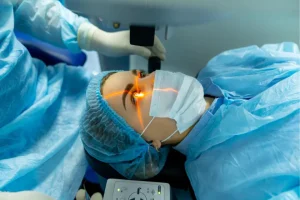
Large or stubborn stones may require advanced procedures. Shock Wave Lithotripsy (ESWL) uses sound waves to break stones into smaller pieces so they can pass naturally. Ureteroscopy (URS) involves inserting a thin scope to remove or break stones inside the urinary tract. Percutaneous Nephrolithotomy (PCNL) is a minimally invasive surgery used for large stones.
Laser lithotripsy is another advanced technique that precisely breaks stones with minimal damage to surrounding tissue. These modern treatments are safe, effective, and offer faster recovery when performed by an experienced kidney specialist in vadodara.
When Should You See a Nephrologist?
You should consult a nephrologist in vadodara if you experience persistent back or abdominal pain, burning sensation during urination, blood in urine, fever with urinary symptoms, or difficulty passing urine. Recurrent kidney stones, repeated urinary infections, and a history of kidney problems also require medical evaluation.
Early consultation helps prevent complications such as kidney infection, urinary blockage, and long-term kidney damage. Prompt diagnosis and treatment ensure better outcomes and faster recovery.
Why Choose Aadicura for Kidney Stone Treatment?
Aadicura Superspeciality Hospital Vadodara is known for providing advanced and comprehensive kidney care. The hospital has experienced nephrologists, modern diagnostic facilities, and advanced minimally invasive treatment options for kidney stones.
Patients receive personalized treatment plans based on their condition, along with guidance on prevention and long-term kidney health. With patient-centered care and a focus on safety and comfort, Aadicura is a trusted choice for kidney stone treatment in Vadodara.
Nephrology & Kidney Care Services at Aadicura
Aadicura Hospital offers complete kidney care services under one roof. These include kidney stone diagnosis and management, advanced stone removal procedures, chronic kidney disease management, dialysis services, urinary infection treatment, preventive kidney health checkups, and dietary guidance.
With expert care from a trusted kidney stone specialist in vadodara, patients receive holistic treatment focused on both cure and prevention, ensuring long-term kidney health.
Conclusion
Kidney stones are common but can become serious if ignored. Recognizing early symptoms, staying hydrated, and seeking timely treatment can prevent complications and protect kidney function. Whether symptoms are mild or severe, consulting an experienced nephrologist in vadodara is essential for accurate diagnosis and effective treatment. Aadicura Superspeciality Hospital combines advanced technology, expert doctors, and compassionate care to provide reliable kidney stone treatment and long-term kidney health support.
FAQs
What are common medical emergency symptoms?
Common medical emergency symptoms include chest pain, difficulty breathing, unconsciousness, seizures, severe bleeding, stroke signs, and sudden confusion.
When does a patient need ICU admission?
A patient requires ICU care when they need constant monitoring, ventilator support, or advanced treatment for life-threatening conditions such as severe infection, heart attack, stroke, or organ failure. Many patients are referred to an icu hospital in vadodara for specialized care.
What is critical care treatment?
Critical care treatment involves advanced medical care, life-support systems, and continuous monitoring provided to critically ill patients in an ICU setting.
What is the difference between emergency care and critical care?
Emergency care stabilizes patients during urgent situations, while critical care provides long-term intensive treatment and monitoring for life-threatening conditions under a critical care specialty team.
When should I go to an emergency hospital in Vadodara?
You should visit an emergency hospital in vadodara immediately if you experience severe chest pain, breathing difficulty, stroke symptoms, unconsciousness, major injury, or any life-threatening condition requiring urgent medical attention.
Share




We Believe in Affordable Healthcare for All
 Request an Appointment